The Context: When "Dupe Culture" Meets IP Law
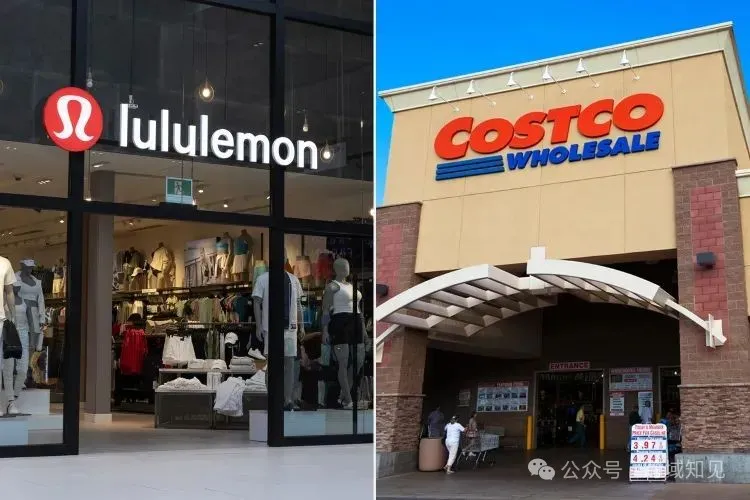
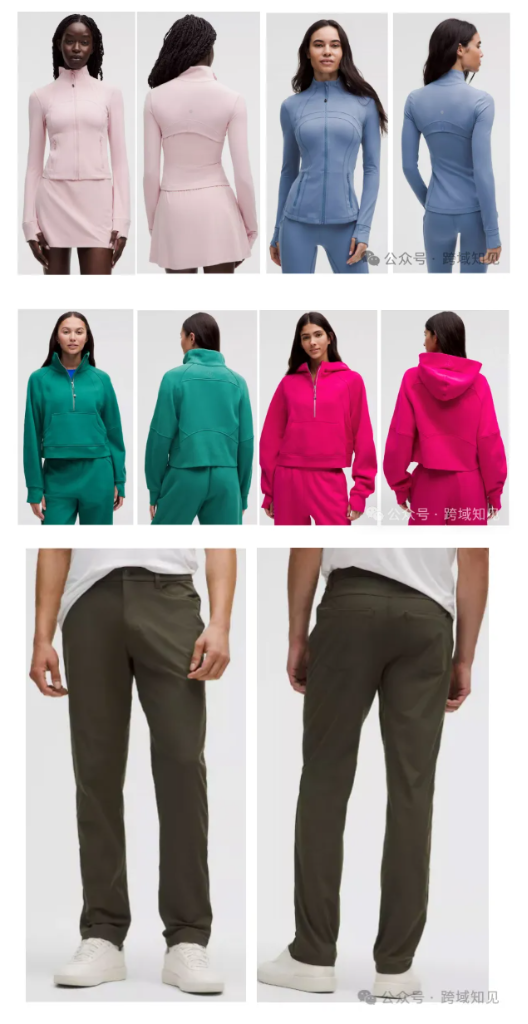
Lululemon's SCUBA hoodies, DEFINE jackets, and ABC trousers —typically priced at $100–200 —have long attracted copycat products. Social media hashtags like #LululemonDupes created a market for "look-alike" products at a fraction of the price. Costco entered this space with products from brands including Danskin, Jockey, and Spyder —products that Lululemon alleges are not mere coincidental similarities, but systematic misappropriation of its protected intellectual property.
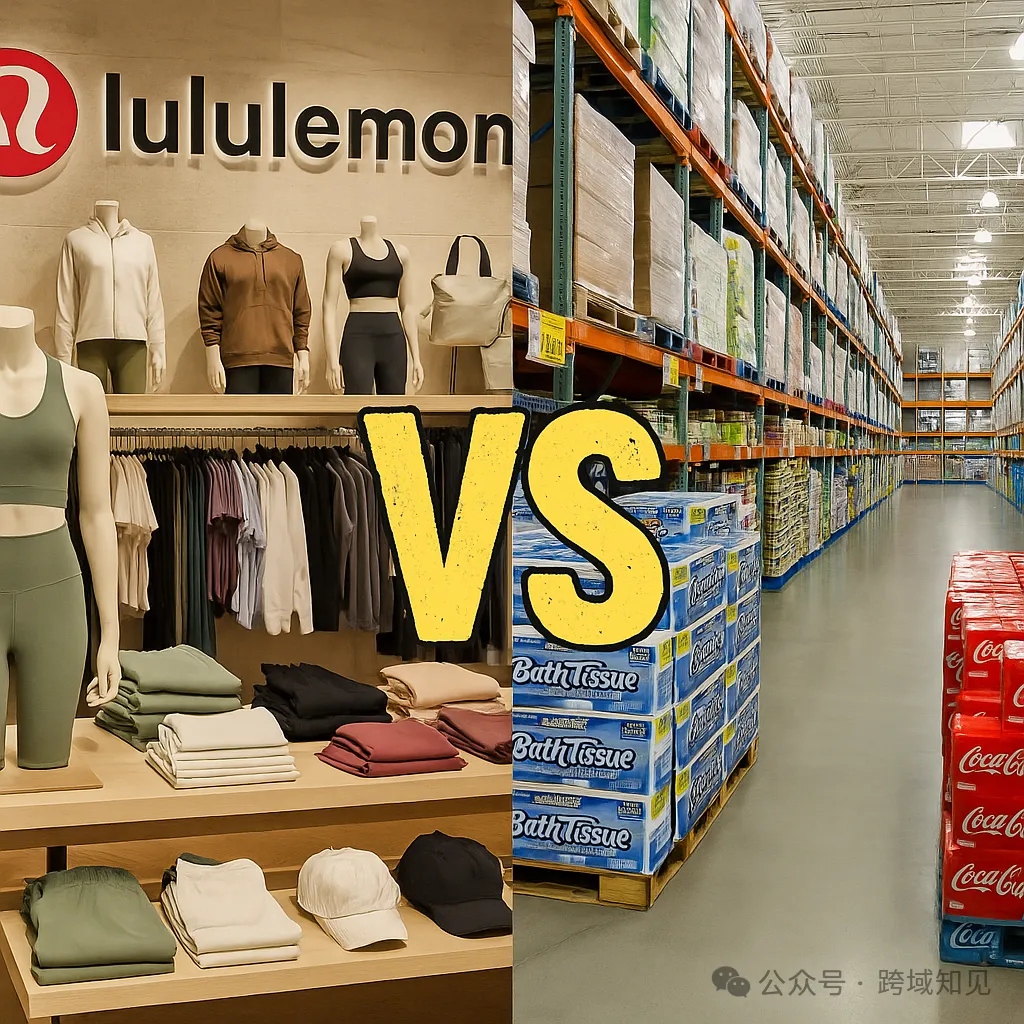
What makes this case analytically interesting is not the underlying business dispute, but the legal architecture Lululemon had built before it ever needed to sue. The lawsuit is only possible because Lululemon had layered three distinct forms of IP protection across the same products over many years.
Weapon One: Design Patents
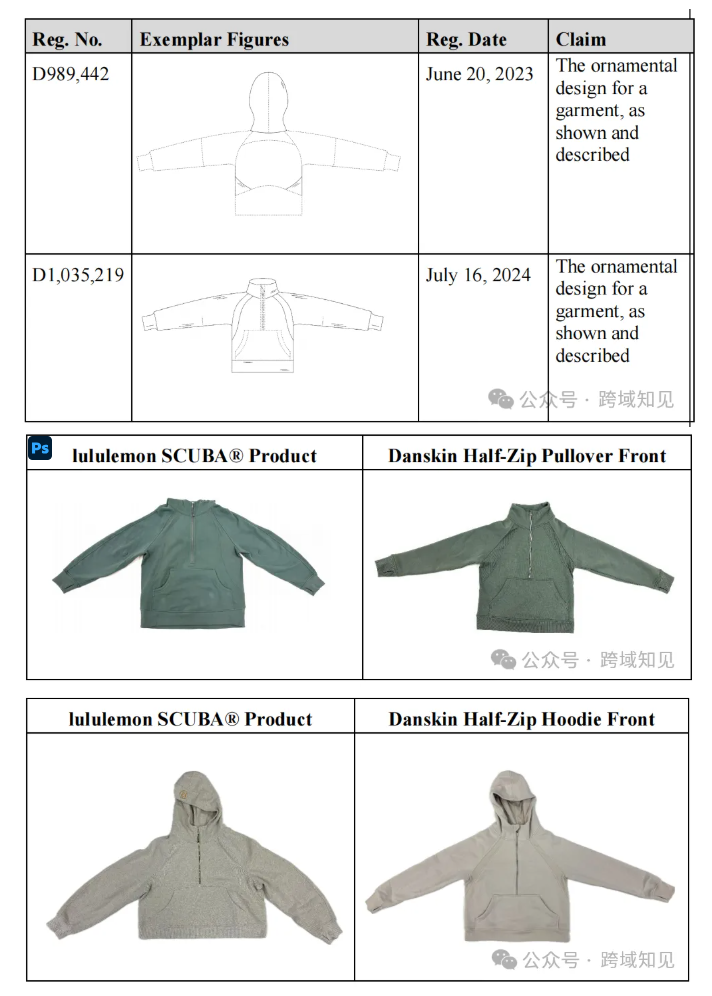
Lululemon holds multiple U.S. design patents covering the ornamental appearance of its SCUBA hoodie. Design patents protect a product's visual appearance —shape, configuration, surface ornamentation —as distinct from its functional features.
The infringement test for design patents is the "ordinary observer" standard established in Egyptian Goddess, Inc. v. Swisa, Inc., 543 F.3d 665 (Fed. Cir. 2008): would an ordinary purchaser, in a normal buying context, find the accused design substantially similar to the patented design? The standard does not require identical replication —substantial visual similarity is sufficient.
Design patents offer several practical advantages over other IP tools in the brand protection context:
- Faster prosecution: U.S. design patents typically issue in 12–8 months, versus 2— years for utility patents
- Lower cost: Filing and prosecution fees are substantially lower than utility patents
- Precise scope: The scope of protection is defined by the drawings, making infringement analysis relatively straightforward
- Cross-context value: Design patents underpin Amazon platform complaints, U.S. Customs recordals, and TRO applications in parallel
Weapon Two: Registered Trademarks
Lululemon's trademark claims extend beyond its brand name to cover a product line name (SCUBA®) and a specific proprietary color (TIDEWATER TEAL——a distinctive blue-green). Costco's products allegedly used the same color family and product naming conventions, creating consumer confusion.
The TIDEWATER TEAL claim illustrates an underutilized protection pathway: color as a trademark. A color can be registered as a trademark if it has acquired "secondary meaning" —that is, consumers associate the color with a specific brand source through long, exclusive use. Tiffany blue and Hermès orange are the canonical examples. The requirements are demanding: extensive, exclusive use over many years, documented consumer association evidence, and a showing that the color is non-functional in the relevant product category.
Most Chinese brands register only word marks when entering foreign markets. Product line names, distinctive color combinations, and packaging configurations —all potentially registrable as trademarks —are routinely overlooked. These take time to build into protectable assets, which is precisely why they need to be considered at market entry, not years later.
Weapon Three: Trade Dress
Lululemon's most legally ambitious claim covers the "total image and overall appearance" of its DEFINE jacket —the combination of curved seam lines, fitted cut geometry, and zipper configuration that gives the jacket its distinctive visual character. Lululemon has registered these design elements as trade dress trademarks.
Trade dress protection requires satisfying two conditions. First, the claimed elements must be non-functional —they must be aesthetic choices, not features dictated by the product's utility. Second, the elements must have acquired secondary meaning: consumers must associate this overall look with Lululemon as a source, not simply as an appealing design. Building secondary meaning requires sustained, exclusive market presence —years of consistent product presentation, advertising, and consumer engagement.
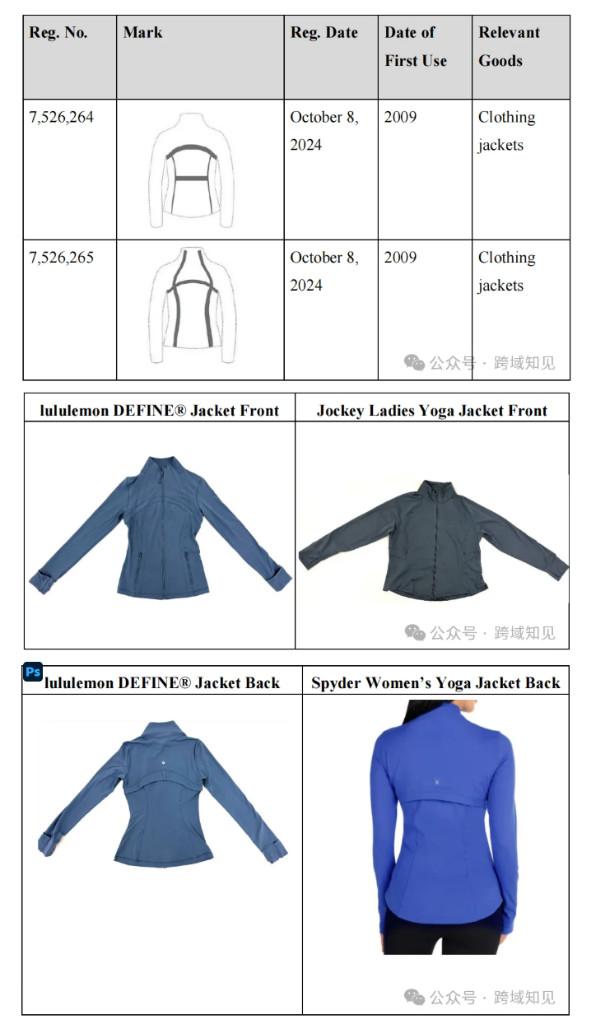
The strength of trade dress protection, once established, is that it is extremely difficult to design around. A competitor can modify a product to avoid infringing a specific design patent claim, and can change a name to avoid trademark infringement —but replicating the overall aesthetic "feel" of a protected trade dress while avoiding infringement is a much narrower path to walk.
Trade dress is the hardest form of brand IP to build, and the hardest for competitors to circumvent. Its value increases precisely because it takes years of consistent market presence to establish —a barrier that favors incumbents.
How Costco's "Dupe Strategy" Was Characterized
Lululemon's complaint characterizes Costco's conduct not as ordinary competition, but as a deliberate strategy to profit from consumer confusion. The complaint identifies two types of consumer behavior Costco allegedly exploited:
- Confusion purchasers —consumers who mistakenly believe Costco's products are Lululemon products, or Lululemon-authorized products
- Knowing purchasers —consumers who know the product is a copy, but buy it precisely because it is indistinguishable from the original in social contexts, thereby diluting Lululemon's brand value without paying the brand premium
The complaint even cites media coverage —including a New York Times comparison finding the products "looked almost identical" —as evidence of systematic copying rather than coincidental similarity.
Three Lessons for Chinese Brands Going Global
1. Build the IP Portfolio Before You Need It
Lululemon's ability to sue Costco across three legal theories simultaneously reflects IP protection built over years, not assembled in response to the threat. Design patent applications have filing deadlines triggered by public disclosure (12 months in the US, 12 months in the EU). Color and trade dress trademarks require years of exclusive use before secondary meaning can be claimed. The time to start is at product launch —or earlier.
2. Layer Multiple Rights Across the Same Product
The power of Lululemon's position comes from the combination: design patents cover specific visual features, trademarks cover names and colors, and trade dress covers the overall aesthetic. A competitor can potentially design around any single right. Designing around three simultaneously, while producing a commercially viable alternative, is significantly harder. This is not redundancy —it is strategic depth.
3. Enforcement Action Itself Is Brand Communication
Lululemon's lawsuit generated coverage in the New York Times, Reuters, Bloomberg, and CNN. Whatever the eventual legal outcome, the filing sent a clear market signal: this brand takes its IP seriously, has documented rights to enforce, and will act on them. For Chinese brands building premium positioning in international markets, strategic enforcement —when the IP foundation is solid —amplifies brand credibility alongside legal protection.
Conclusion
The Lululemon v. Costco case is still in early stages, and its eventual resolution will depend on fact-specific analysis that no one can predict with certainty at this stage. But the case already demonstrates something important: the brands best positioned to protect their market position are those that built layered IP rights systematically, over time, before the competitive threat materialized.
For Chinese brands at any stage of international expansion —whether entering the US market for the first time or already operating at scale —the architecture of this case offers a practical framework. Design patents, trademarks (including color and product-line marks), and trade dress are not luxury IP tools reserved for established multinationals. They are accessible to any brand willing to build them early.